
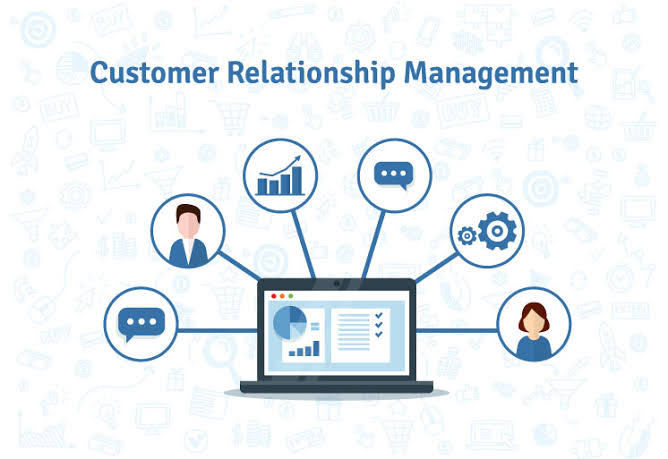
Customer relationship management is a crucial component to success in today’s competitive business world. To manage day-to-day operations and provide personalized experiences, businesses have to respond to customer inquiries, monitor sales opportunities, stay in touch with customers, and more. However, when they are done manually, organizations can experience issues such as missed follow-ups, disjointed customer information, and inefficient processes.
A Customer Relationship Management (CRM) system can be utilized to get rid of these challenges, keep the client data organized, automate repetitive tasks, and facilitate collaboration among teams. CRM software can help businesses make customer management more systematic and efficient, leading to improved productivity, better customer relationships, and opportunities for sustainable growth.
Centralizes Customer Data
One of the best features of CRM systems is that they have the ability to keep customer data in one central location. Companies frequently store information on spreadsheets, in emails, in documents, and in different programs, which makes it hard to get accurate information in a timely manner.
A CRM system integrates contact information, purchase history, communication logs, preferences, and sales information all into one. Authorized employees have access to relevant information when dealing with customers to provide more accurate and consistent service.
Centralized data also minimizes duplication and helps to streamline inter-departmental coordination. Customers are better informed, and businesses can make informed decisions and manage their relationships better.
Streamlines Sales Processes
When sales teams have several prospects in different stages of the sales funnel, it can get complicated to manage sales opportunities. If there isn’t an established process, sales reps could miss out on potentially good leads or not be sure which ones to pursue.
CRM software helps businesses manage their leads, keep track of sales activities, and follow the sales process. Employees are able to create a conversation, set up meetings, assign tasks, and mark the status of each opportunity.
This visibility will help sales managers find pain points, prioritize their valuable prospects, and track team performance. An organized sales cycle can increase productivity and facilitate businesses in turning more qualified leads to customers.
Automates everyday Business tasks
The day-to-day tasks that make up the administrative work can use up a lot of employee time. Reminding, updating records, assigning inquiries, and scheduling follow-ups are essential tasks, and when done manually, can diminish productivity.
The automation of many of these activities can be achieved with workflows, notifications and task management in the CRM system. For instance, a CRM system can send out a follow-up email to a salesperson after a meeting or assign a new lead to a different team member if it happens.
Automation can minimize repetitive tasks, maintain consistency, and assist teams in concentrating on tasks that directly impact customer satisfaction and business expansion.
Improves Customer Communication
Effective communication is key to gaining consumer trust and fostering good customer relations. If, however, customers are engaging in transactions in various channels, this can cause important information to become hard to trace.
Customer Relationship Management (CRM) systems track customer interactions, such as emails, phone calls, meetings, and customer support requests. Staff are able to see previous conversations and respond accordingly, so they can appreciate what is being discussed and give the correct information.
There are also some CRM platforms that include communication tools integration, giving simpler handling of customer communication. With improved communication, businesses can more quickly react, minimize misunderstandings, and provide a uniform customer experience.
Enhances Customer Satisfaction
Customer satisfaction affects repeat buying, word of mouth and long-term relationships with customers. Businesses that are knowledgeable about their customers and can solve their problems effectively are more likely to gain customer trust.
CRM software helps to keep a better track of customer concerns, support requests, and their resolution, which makes it easier to provide better service. Staff can see pertinent customer information and prevent customers from having to repeatedly explain the same matter.
CRM data can also be leveraged to pinpoint recurring issues or areas for improvement in the service. These challenges can be overcome by organizations to enhance the customer experience and build their reputation.
Supports Personalized Marketing
When companies are aware of their consumers and target meaningful messages, marketing is more efficient. Promotions sent to all customers might not be of interest or meet the needs of each customer.
Businesses can use CRM systems to categorize customers into meaningful groups by their purchase history, preferences, engagement, and interactions.
These insights can guide marketing teams to craft personalized marketing campaigns, suggest the right products, and personalize communication. This can enhance the relevance of campaigns, drive customer engagement, and enable businesses to better leverage their marketing efforts.
Strengthens Team Collaboration
The sales and marketing team need to work well together with customer service teams in order to grow the business. With disjointed systems, departments can end up with employees doing the same work and not having important information that they need.
A CRM system delivers joint consumer records and communication histories to authorized employees of the team. Previous marketing engagement is understood by sales teams, and support teams can have access to the relevant customer information to resolve issues.
This common visibility enhances coordination, clarifies roles, and enables staff to collaborate towards shared business objectives. An enhanced partnership also minimizes delays and achieves a more seamless customer experience.
Gives meaningful business insights
To make informed business decisions, it is critical to have the right data on customer behavior, sales performance and efficiency. The dashboards and reporting features of a CRM system can convert the recorded activities into valuable information.
All businesses can track lead conversion, sales pipeline performance, customer engagement, and support activity. These reports are designed to enable managers to identify the strategies that worked well, opportunities for underperformance, and where improvements are required.
Access to accurate information helps organizations use them better, improve their processes and discover their growth potential.
Increases Customer Retention
Marketing new products or services is crucial but so is the branding and retention of old customers. A lack of communication, customer complaints that remain unaddressed, and service that is not consistent can hurt customer relations.
CRM systems can assist businesses in keeping the communication going through reminders, post-purchase follow-ups, tracking customer feedback, and conducting relevant engagement campaigns.
Through these activities, teams can discover, address, and respond to customer complaints to keep customers after the sale, as well as to evolving customer needs. Though there are several factors to consider, CRM software offers a framework to help foster customer loyalty and repeat customers.
Enables Scalable Business Growth
As companies grow, the number of customers, employees and transactions grows too. As a business grows, managing more customers, employees and transactions becomes more complex. Manual workflows might not offer the visibility and consistency needed in larger operations.
CRM systems provide processes that can evolve with the business. Companies can add people, new workflows, integrate other business applications, and enhance reporting, to name a few features available on different platforms.
For organizations to keep the management of their customers consistent, they need to use a proper CRM solution when their operations expand. Before choosing a platform, businesses need to consider their budget, needs, security considerations, and future plans.
Conclusion
By bringing together information, automating repetitive tasks, facilitating communication, and enhancing collaboration, CRM systems streamline customer management and ultimately boost sales productivity. They also enable more effective sales processes, customized marketing, customer retention, and data-driven decision-making.
But technology is not a foolproof way to expand the company! Businesses need to choose a CRM system that suits their needs, ensure that their data is accurate, and educate their staff on how to utilize it properly. Businesses must choose the right CRM solution, keep their customer information accurate, and train their employees to use the system effectively.
By aligning CRM with regular business processes, organizations can minimize inefficiencies, create more satisfying customer experiences, and foster better customer relationships. These enhancements lay the groundwork for improved productivity, customer satisfaction, and long-term success.